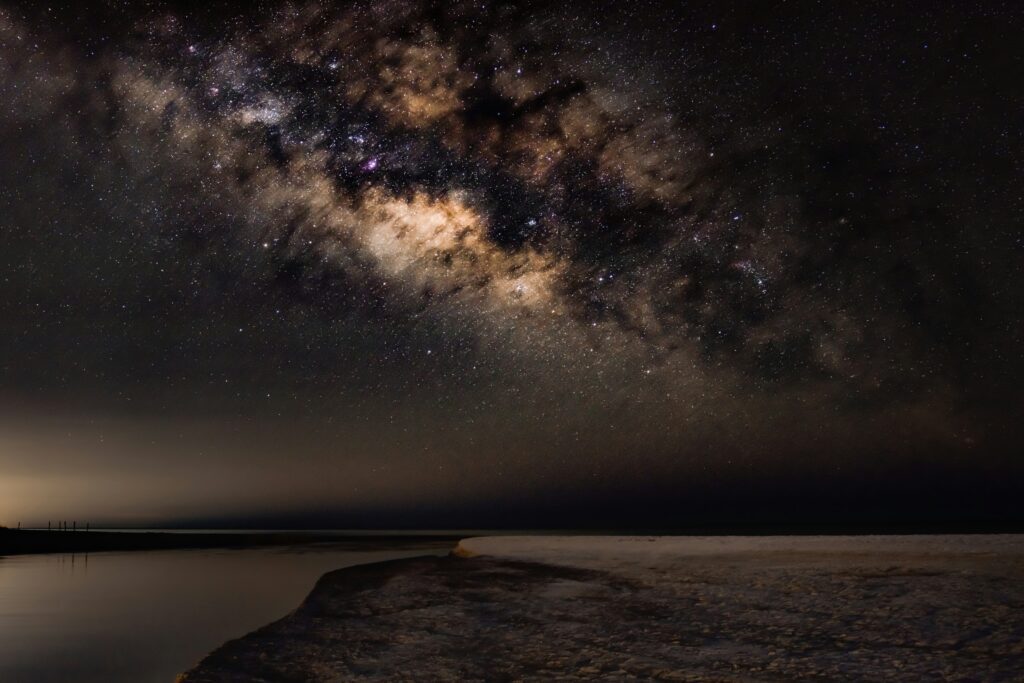
Just in the past few years, we have faced wave after wave of challenges from the fearsome unknowns of the pandemic to the all-but-nuclear heat of the invasion of Ukraine to the cold and rising tide of inflation. As we reach 8b global population, we have seen the dreams of many ages fulfilled; we are educated and prosperous and mostly live in a context of freedom. Our world has found a way to feed, clothe, and bless all but the very poorest: the bottom billion who are all but isolated from our globalized world.
In the midst of these challenges, we want to have hope, but we are not coping well. I remember the prophet Isaiah writing long ago, “The people who walked in darkness have seen a great light.”
The people who have walked in darkness… Today, as with Occupy Wall Street 10 years ago, we have movements that are mostly a noisy echo of a better past. Instead of fundamental human rights for African Americans that we sought in the 1960s, we have derivative rights as if deliberate for tax cheating, shoplifting, censorship, and obscene tweeting. We ignore $31t in federal debt to add trillions in new spending. The military seems weak and short of recruits. National institutions like the FBI are tinged with corruption. Silicon Valley cheerfully censors and cancels. Cities take a step toward chaos. We seem to be at war with reality.
Once more, we have abandoned our allies on the ground, this time in Afghanistan. We cannot think coherently about immigrants. Inflation hurts the poor and middle class the most. The mentally ill are homeless and dying on the streets. Schools have lost a year of learning. Federal and state compassion helps but results in at least $165b fraud. People have old college debt or even police records that are holding them back. In the darkness people live with depression, escape with opioids, and die of suicide or overdoses. It’s a dark world.
We disdain and destroy each other without listening, without compassion. We use the ‘ring of power’ to control and destroy. We reserve love for our tribe. We rewrite the rules to prove we are not only right, but we are, even more importantly, not to blame. The left has things to say about social urgencies. The right has things we need to hear about our social order, but our leaders seem to evaporate into their own worlds. Our post-modern thinking creates absurd narratives. One day we may wake up and realize the dark absurdity.
…Have seen a great light. We have seen the light, but it’s hard to embrace. We blame the church and the Bible while we embrace Jesus and give ourselves a pass. If we can give up the cynical view and the ironic voice, and look with sincerity at the manger, we would see the light of the world. John wrote, “In him was life, and that life was the light of all mankind. The light shines in the darkness, and the darkness has not overcome it. The true light that gives light to everyone was coming into the world.” (John 1:4,5+9).
Hope? We seem to prefer to cope. We prefer our counselors’ offices to our small groups or churches.
It is into a very dark world that Jesus came; he always comes into our darkness. We cannot paint the Christmases during WW1 or the Great Depression or WW2 with nostalgia; those were very dark times.
I recently read that the popular Frenchman, John Paul Sartre, at the end of his long life of existentialism and atheism, said that being an atheist was hard work. His final personal secretary, Beny Lévin, quoted Sartre as saying, “I don’t feel I am the product of chance, a speck of dust in the universe, but someone who was expected, prepared, prefigured. In short, a being that could be here thanks only to a creator. And this idea about a creator is referring to God.” As I grew up in Sartre’s world, I find this quote, this attraction to the light, to be amazing.
A generation ago Philip Rieff wrote. “The death of a culture begins when its normative institutions fail to communicate ideals in ways that remain inwardly compelling, first of all to the elites themselves.” The old culture of sacred authority and socially orienting faith has been overtaken, not by the ideals of the Enlighten-ment but by unauthorized and radically politicized power. “We break the sacred barriers, but we burst into no free space, and into no broad daylight. Rather, we find ourselves buried incredibly deep in a night we never consciously desired.” No wonder many are attracted to the light.
———–
Philip Rieff, Triumph of the Therapeutic. 1987. P 18
Interview of Beny Lévin in 1980 with Father Steven Wang “Sartre’s Faith.” Quoted in Eric Metaxas, Is Atheism Dead? 2021